“A journey through Artlab’s HiFi philosophy and the unseen sensitivity that transforms every Circle experience.”
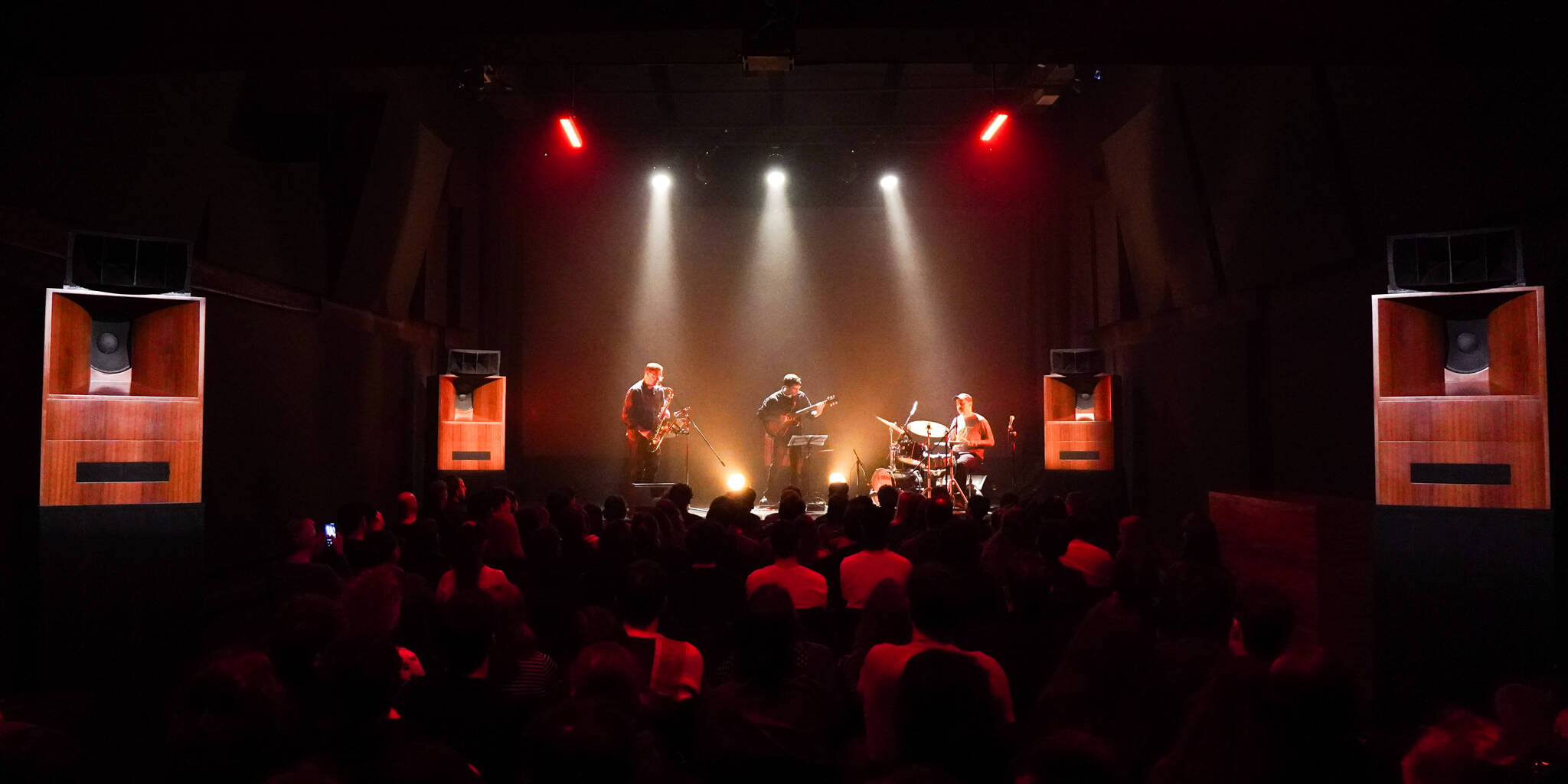
On Friday night, Circle once again unfolded its ritual at Artlab. But beyond the artists, there is an invisible protagonist: the sound. A HiFi system that doesn’t seek to dominate, but to envelop, reveal, and transform the way the body listens.
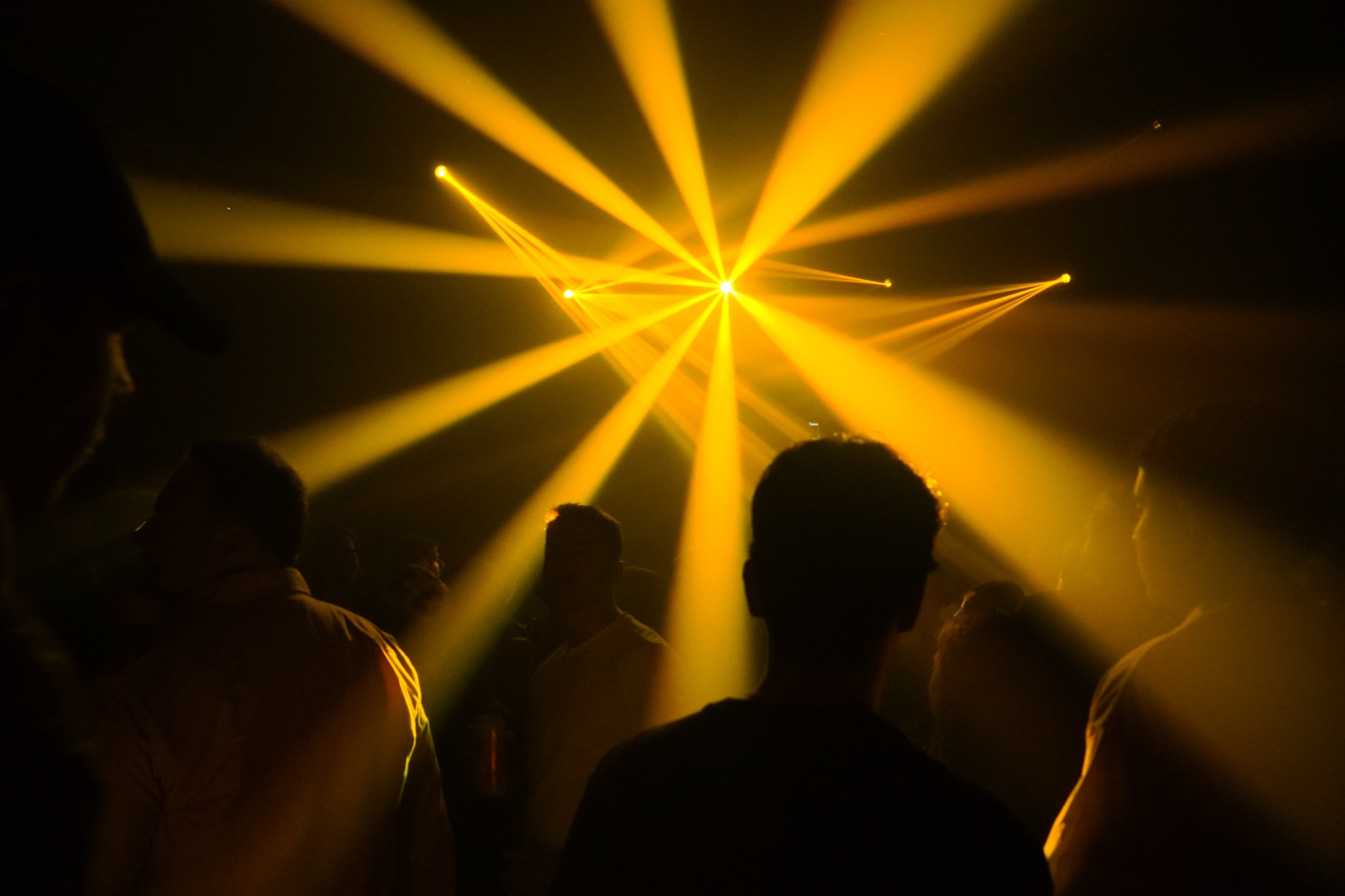
And within that listening, something deeper happens: the warmth of Artlab’s sound doesn’t stop at the ears—it moves through the body, opening its rhythms. Each Sound Circle becomes a passage: you leave transformed, lighter, more attuned. Music reshapes the body’s response and turns the dancefloor into a space of transformation.
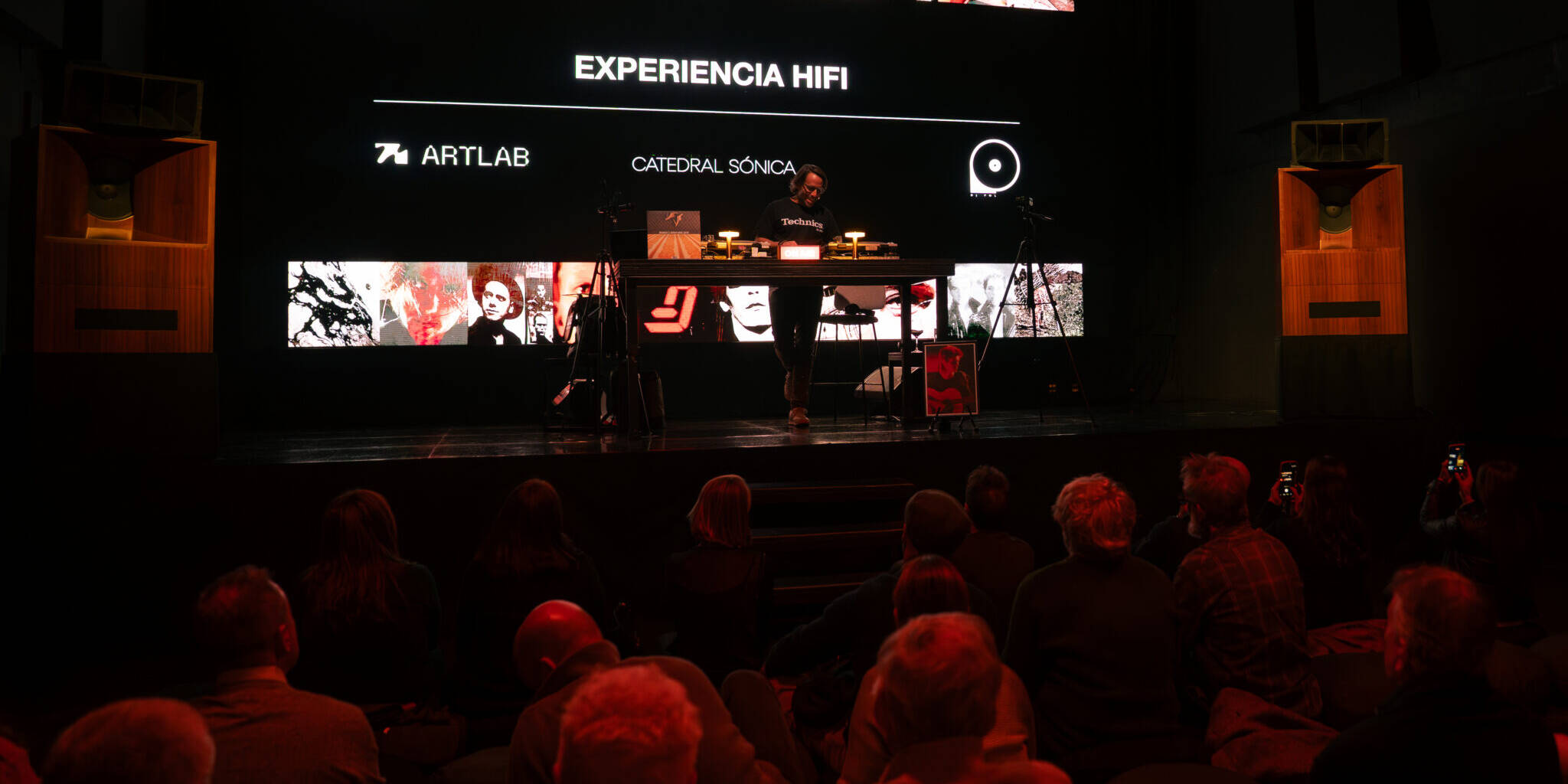
As an old school cut like “M‑Trax” by Liem & Eddie Ness, subtly selected by Loló Galparini, fills the room, Francisco Tricario—sound engineer and custodian of this experience—insists that the key lies in transparency, in “taking care of the audio: the DJ and the audience sharing the same sonic field”. To achieve this, a radical decision was made: removing booth monitoring, which created two separate acoustic realities. The solution was to add a slight delay in the headphone mix, compensating for the arrival difference with the main system. Every detail, he says, matters in reaching the standards they aim for. That devotion to detail is what gives Artlab its timeless character: warmth and texture that evoke the old school, reimagined with contemporary precision.
His routine begins long before anyone plays. Meticulous adjustments, level checks, walking the room. An invisible choreography that extends throughout the night: controlling sound pressure, fine-tuning EQ, assisting artists with any eventuality. It’s a work of precision, but also of sensitivity: staying attuned to what happens on the floor, not just in the speakers. At the slightest move from a DJ, Francisco is there to ensure everything flows seamlessly. And during the transition between Loló Galparini and Dobao he approached with the same attentiveness: in set changes he is especially alert, as each shift opens up a new sonic landscape. As soon as Dobao took control, the floor surrendered to his housy, funky grooves, igniting a different energy in the ritual.
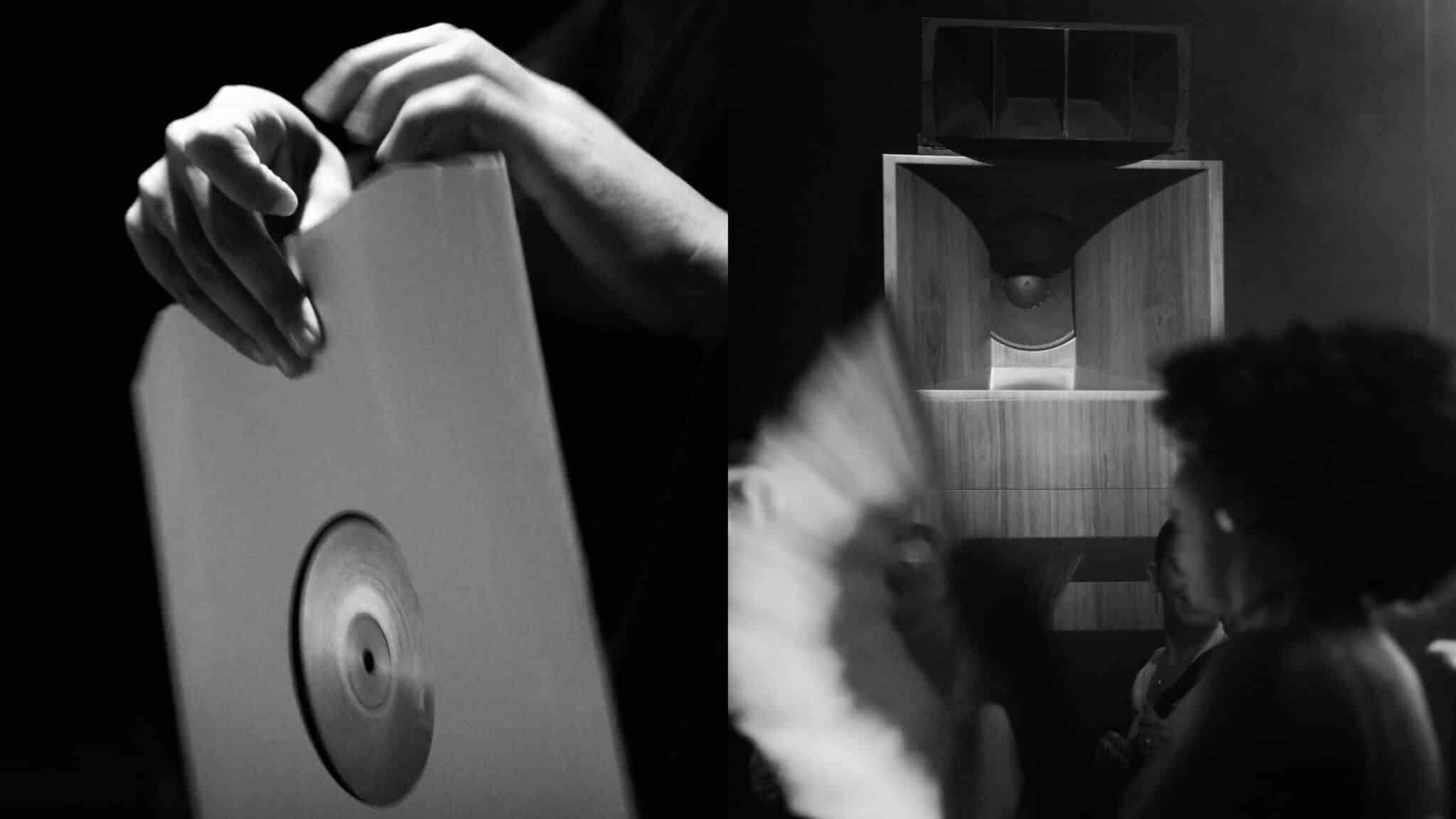
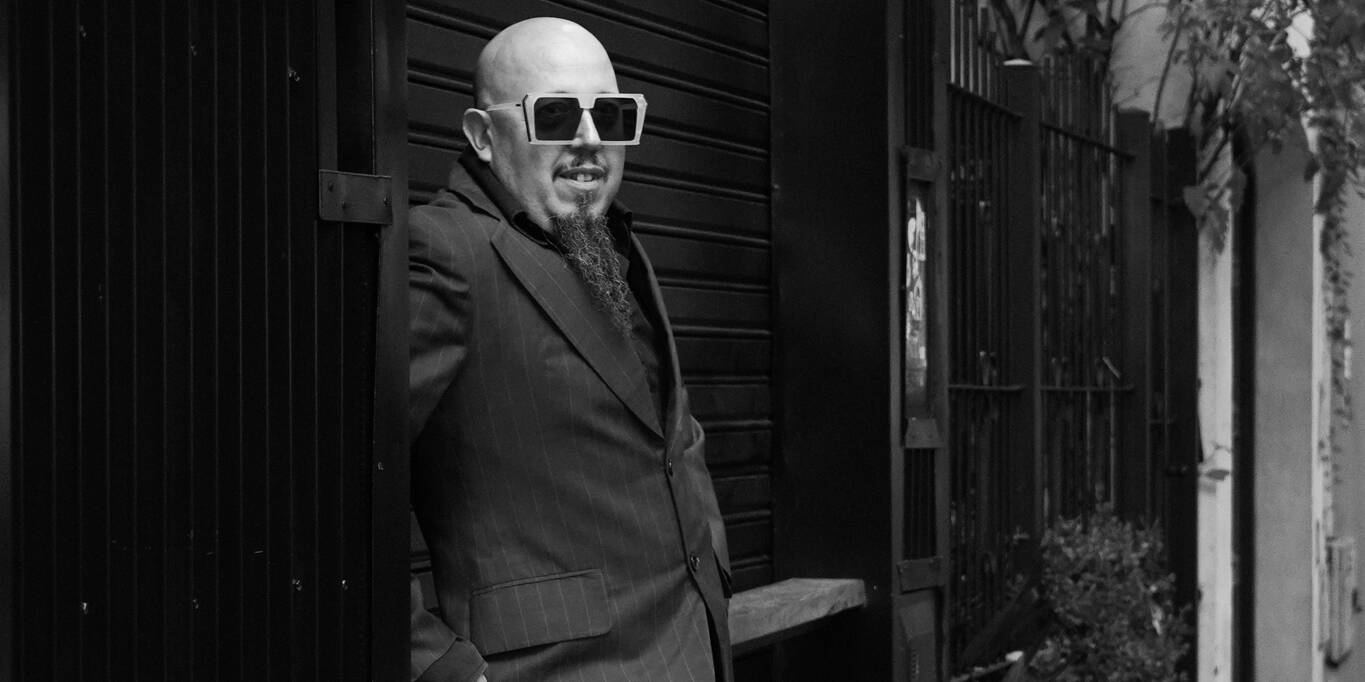
That presence in critical moments is part of a broader care that defines Artlab’s sonic identity. The distinction from other spaces, according to Francisco, is not about loudness, but about an obsessive attention to every link in the chain: the care and maintenance of the equipment, the audio processing with cutting‑edge technology, the acoustic conditioning of the room. “It’s the details that make the difference, and we try to stay attentive to all of them,” he sums up.
That care ultimately translates into a different physical experience. For Francisco, listening here feels warmer, more dynamic, and less aggressive: “The experience is much more complete and enjoyable,” he affirms. The body leaves changed—less tired, more connected.
Solimano captures it in a phrase that became a motto: “It’s a vintage sound that engages with modern technology, and it’s a new way of listening for people.
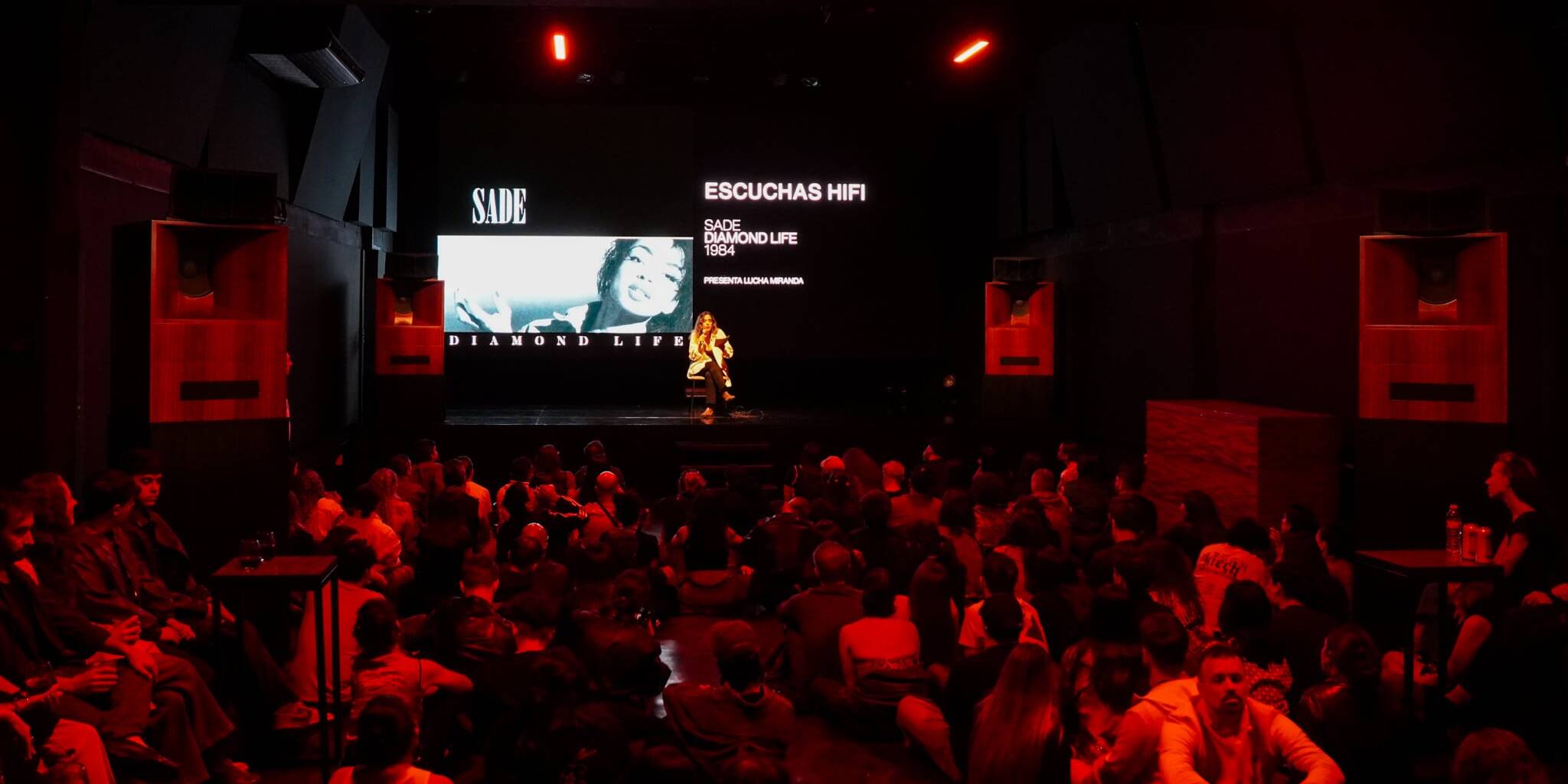
Behind the sound lies a philosophy: music is not background, but the very space where everything unfolds. Within Circle, that space becomes community—a collective body vibrating as one. More than technology, the system continues a tradition of shared listening rooted in cinema and reimagined in today’s HiFi experience. At Artlab, immersion means inhabiting a common space where music turns into a vital experience.