“To inhabit silences is the purest way to make the instrument sound, as music and canvas freedom intertwine in a shared expressive quest.”
Where attentive listening and sharp visual sensibility intersect with the academic piano tradition, Flores Babusci’s work finds her true territory. Her proposal brings together two universes: at the piano, she presents herself from a solid classical training, while in her visual facet, she embraces contemporary exploration and risk. A pianist, composer, and visual artist, her artistic practice inhabits a space where minimalism, soundscapes, and formal rigor converge under a shared tactile sensitivity. Formed within the circle of mentors who shaped her aesthetic pursuit—such as Ulises Conti, Gustavo Pires, Alan Kwiek, Daniel Zuker, and Laura Novoa—and with an active role in independent curation as cofounder of the label Clara Records and creator of the NOCTURNOS series, the artist has built a poetics centered on suspension and detail. Along the way, she taught at a school for eight years; today she keeps her vital pulse alive through a strong commitment to social work and her tireless creative labor.
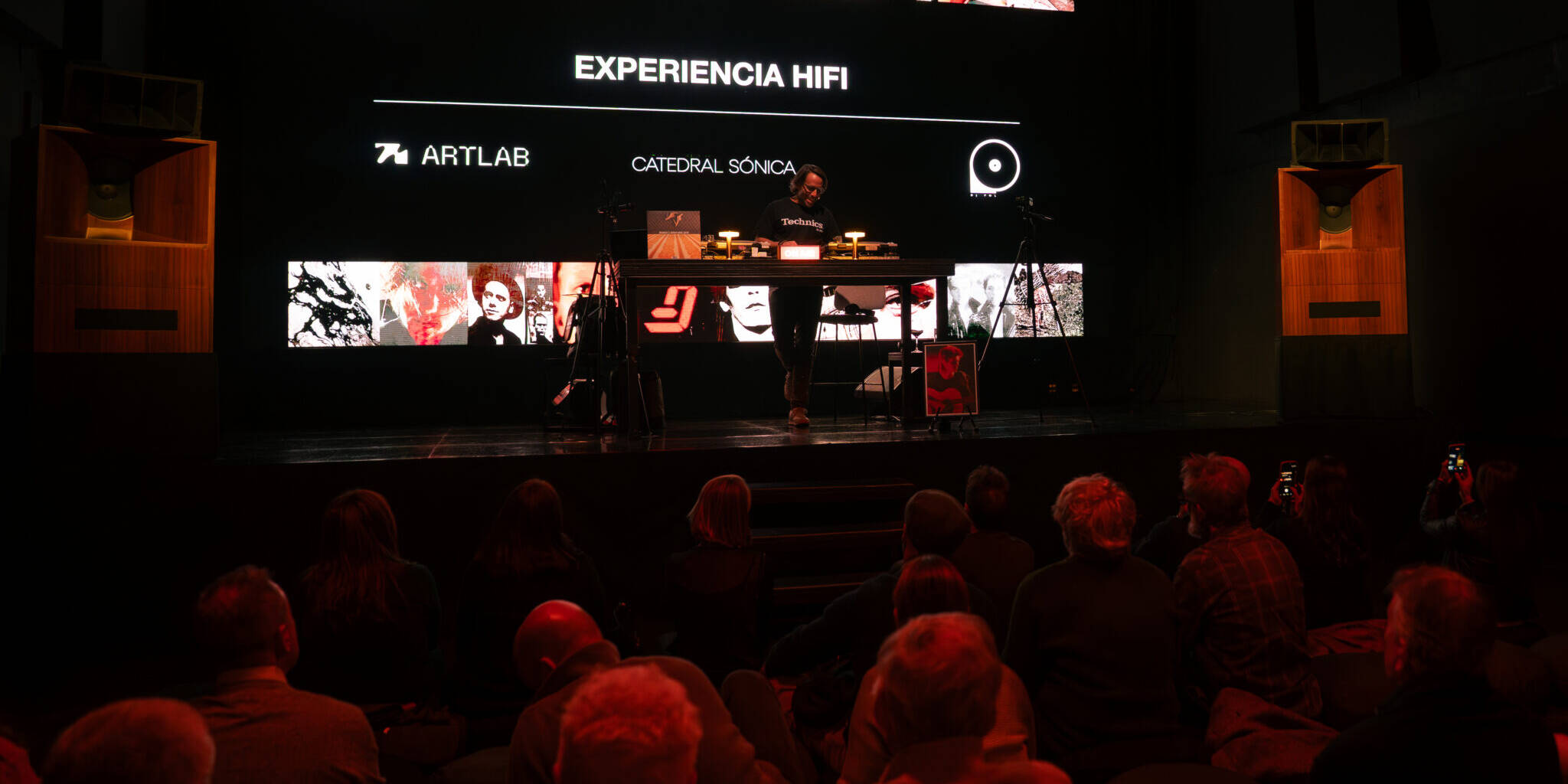
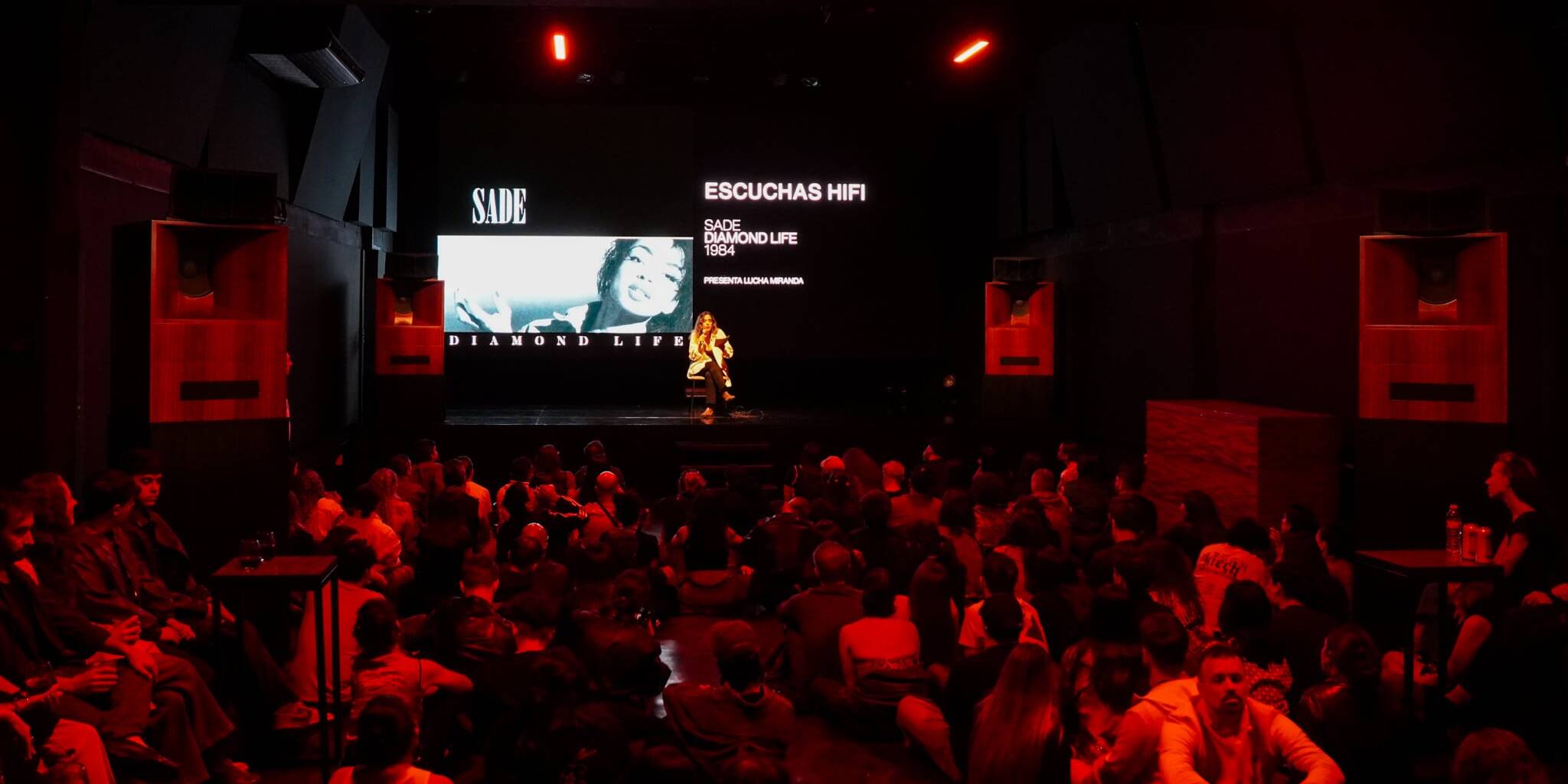
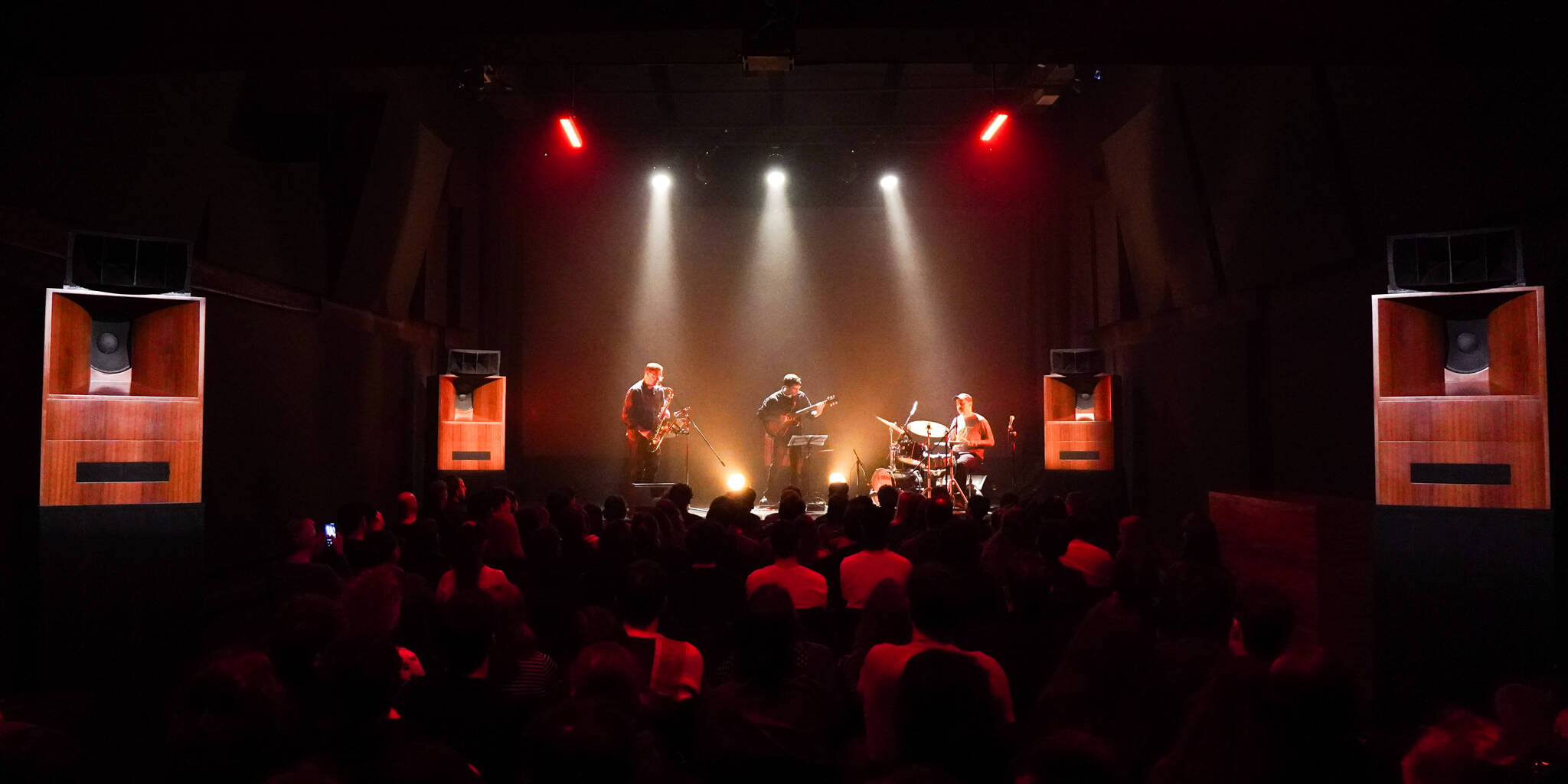
This coming Wednesday, July 29, her sonic universe will land in Artlab’s HiFi room for a date that fosters the close encounter and full attention that define the concert series.
You can find the tickets here.

The extended piano
Babusci’s musical journey has a singular and entirely intuitive origin: she began playing almost by chance when a friend offered her a piano, assuring her it was a percussion instrument—“Take it. Play every day. Pay me as you can,” she recalls being told—which spurred her first autodidactic steps before refining her technique and deepening her path alongside renowned mentors.
Her discography reflects that relentless search where acoustic minimalism dialogues with penumbra. In fundamental pieces of her catalog, such as her previous album Aurora or her acclaimed work with cello on the album Burma, the composer strips harmonic material of unnecessary artifice to work with suspended notes, resonance, and the architecture of silence. Nevertheless, that same logic of synthesis and pursuit of the essential extends organically to her artistic sensitivity as a whole.
Art, technology, and canvas freedom
That same drive toward essence unfolds in her role as a visual artist. Her creative process embraces experimentation and risk by transcending the two-dimensional plane, just as seen in her crossovers with embroidery, where textile weaves project outward and gain volume upon being hung as corporeal pieces that dialogue permanently with architectural space.
Asked about the intersection of art and technology, the artist notes, “When they best accompany each other, technology is just another tool that allows the artist to expand a concept.” For her, technology does not denaturalize creation; it broadens its expressive margins while keeping the notion of artistic expansion alive. In the same vein, reflecting on the function of art and the supposed value that art might lose in the face of technological intervention, her stance is liberating: “As long as it shakes your soul, as long as it stirs something in your emotions—good or bad—it’s already valid.”
Immersive landscapes in HiFi
Babusci’s arrival to Artlab’s concert series finds an ideal setting in the room, designed precisely to enhance acoustic subtleties and attentive listening for this kind of proposal. On this occasion, the presentation will revolve around her latest album, Burma, a work that takes instrumental intimacy to another scale, making the subtlest details take on body and volume.Far from the passive logic of the traditional auditorium, the experience invites an enveloping and profound encounter. The intersection between her classical training and her visual sensitivity gives her live performances a kinesthetic atmosphere, where each frequency connects directly with the architectural space.
Ultimately, Flores Babusci’s work reminds us that contemporary music can also be built from attentive listening, spaces of communion, and the beauty of the minimal.